Azoxystrobin Test Kit
What Is Azoxystrobin?
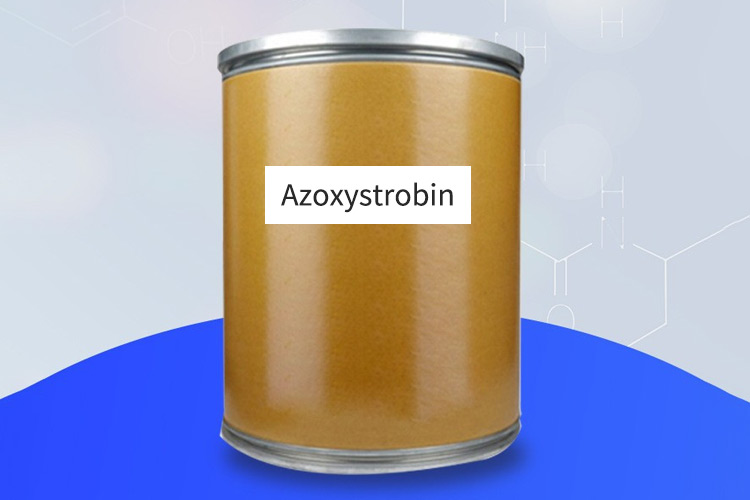
Azoxystrobin is a type of strobilurin fungicide widely used in modern agriculture and is one of the broad-spectrum fungicidal components with the largest global usage today. Due to its excellent control effect, high safety and wide applicability, it has become an important component of many crop disease management plans. Azoxystrobin is a solid, usually in the form of white crystals or crystalline powder. It is stable at normal temperature but it will decompose under high temperature, strong acid or strong alkali conditions. It can not only protect the newly formed parts from disease invasion, but also treat the already affected parts. In addition, azoxystrobin can activate peroxidase, enhance the disease resistance of crops and help delay plant senescence and prolong the retention time of green leaves. The application methods of azoxystrobin are flexible and diverse. It can be used for stem and leaf spraying, as well as for seed and soil treatment, to increase seed survival rate and crop yield. For growers, this means more stable yield management, more controllable disease risks and more efficient production processes.
Azoxystrobin Mode of Action in Crop Protection
Azoxystrobin enhances the disease resistance of crops by activating peroxidase and effectively delays the senescence of plants, prolonging the retention time of green leaves. Its unique and highly efficient mode of action makes azoxystrobin have extensive application value in agricultural production. Azoxystrobin mode of action is unique. It can inhibit the respiratory function of mitochondria, penetrate deep into the pathogen and effectively suppress the respiratory chain of fungal cells by blocking the electron transfer between cytochrome B and cytochrome C1, blocking the energy synthesis pathway of the pathogen. This series of reactions will lead to significant inhibition of spore germination and mycelial growth, achieving the purpose of inhibiting spore production and sterilization and ultimately preventing the survival of the pathogen. Azoxystrobin has no cross-resistance with most fungicides so it can be used to effectively control pathogens that have developed resistance to sterol inhibitors, phenylamide, dicarboximide and benzimidazole fungicides. In addition, for those strains whose sensitivity has decreased due to long-term use of fungicides, as well as those that have developed resistance to 14-demethylase inhibitors, benzamide, dicarboxylamide and benzimidazole fungicides, azoxystrobin also demonstrates outstanding control effects.

Features of Azoxystrobin




Why Does Azoxystrobin Residue Occur in Crops?

Azoxystrobin residue mainly comes from its normal use in the process of disease prevention and control. As a fungicide with strong systemic properties and a long-lasting effect, azoxystrobin will enter the crop tissues after application and slowly degrade within a certain period of time. If the application time of pesticide is too short from the harvest period, some active ingredients may not have been completely decomposed, forming detectable residues in the crops. In addition, if the application frequency is too high, the dosage exceeds the recommended range. If it is repeatedly sprayed at inappropriate times, the possibility of residue occurrence will also increase. Moreover, environmental conditions such as temperature, light and rainfall can also affect the degradation rate of azoxystrobin, causing it to remain in crops for a longer time. These factors work together to lead to the possible residue of azoxystrobin in crops.
Why Do We Need Azoxystrobin Residue Testing?
Azoxystrobin residue testing is of great significance for agricultural production and the safety of agricultural products. By detecting the Azoxystrobin residue in crops, farmers and enterprises can scientifically assess the use of pesticides, guaranteeing food safety and reducing the impact on the ecological environment. In modern agriculture and food safety management, the Azoxystrobin residue testing has become a routine and necessary quality control measure. Especially in the supervision of agricultural product exports or domestic food supply, the accuracy and reliability of test results are directly related to consumer health and market reputation. Meanwhile, timely detection can also help optimize the pesticide application plan, rationally arrange the harvest time, improve the quality and yield of crops and achieve sustainable management of agricultural production.

How to Test Azoxystrobin Residue?
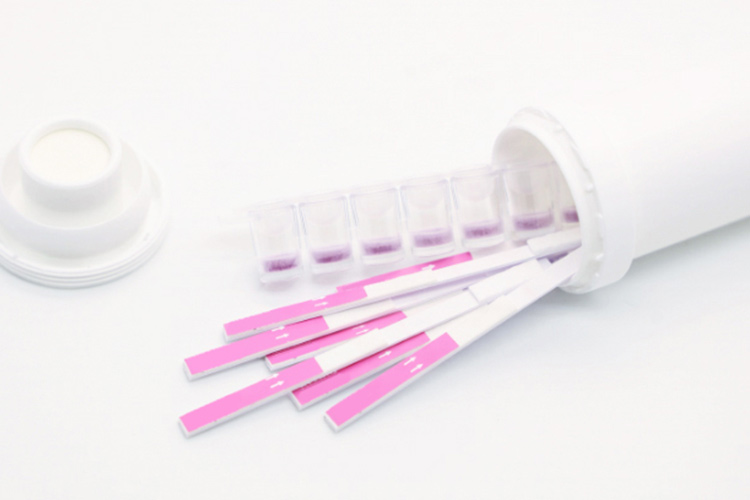
Azoxystrobin test kit is a rapid detection tool which is used to determine the residue of pyrimethanil in crops. With the increasing scale of modern agriculture and the rising requirements for the safety of agricultural products, farmers, planting enterprises and agricultural product quality supervision authorities have a growing demand for monitoring pesticide residues. Azoxystrobin, as a broad-spectrum fungicide, is widely used in the control of various diseases. However, if it is used improperly or the application intervals are insufficient, residues may occur in crops. Therefore, rapid and accurate detection of Azoxystrobin residues is of great significance for ensuring crop quality, food safety and export compliance. Azoxystrobin test kit adopts the principle of immunochromatography, achieving sensitive detection of residual amounts through the specific binding of antibodies to the Azoxystrobin molecule. Its fast and portable features make it convenient to use in agricultural production sites and laboratories, helping farmers and enterprises to promptly grasp the pesticide residue situation in crops and adjust the pesticide application plan or harvest plan in a timely manner.
Characteristics of Azoxystrobin Test Kit
Azoxystrobin test kit provides rapid, sensitive and reliable detection of azoxystrobin residues in crops. It is suitable for field or laboratory use. The kit applies to a wide range of crops, helping farmers quickly monitor residues and ensure crop quality and safety.
Rapid detection : Provide results within minutes for timely monitoring.
High sensitivity : Detect low residue levels to meet maximum residue limits.
Simple operation : No complex equipment required, suitable for field or lab use.
Portable and convenient : Compact design for easy on-site testing.
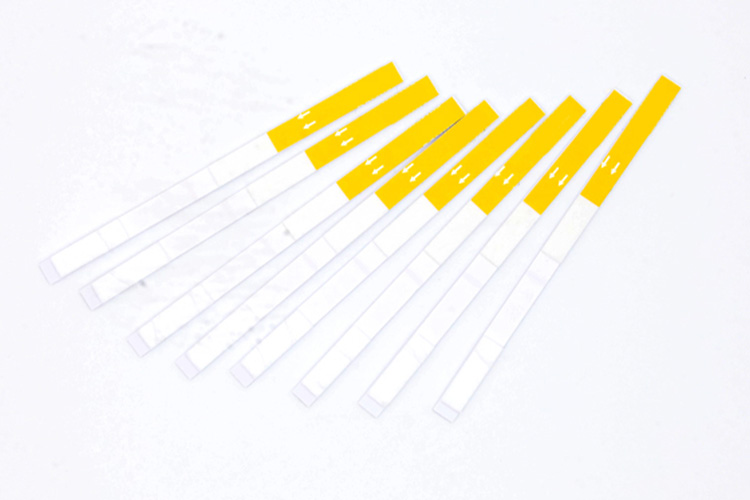
How to Use Azoxystrobin Test Kit?